
Learner Spotlight: Chelsea Russell
From Apprenticeship Insights to Real‑World Change
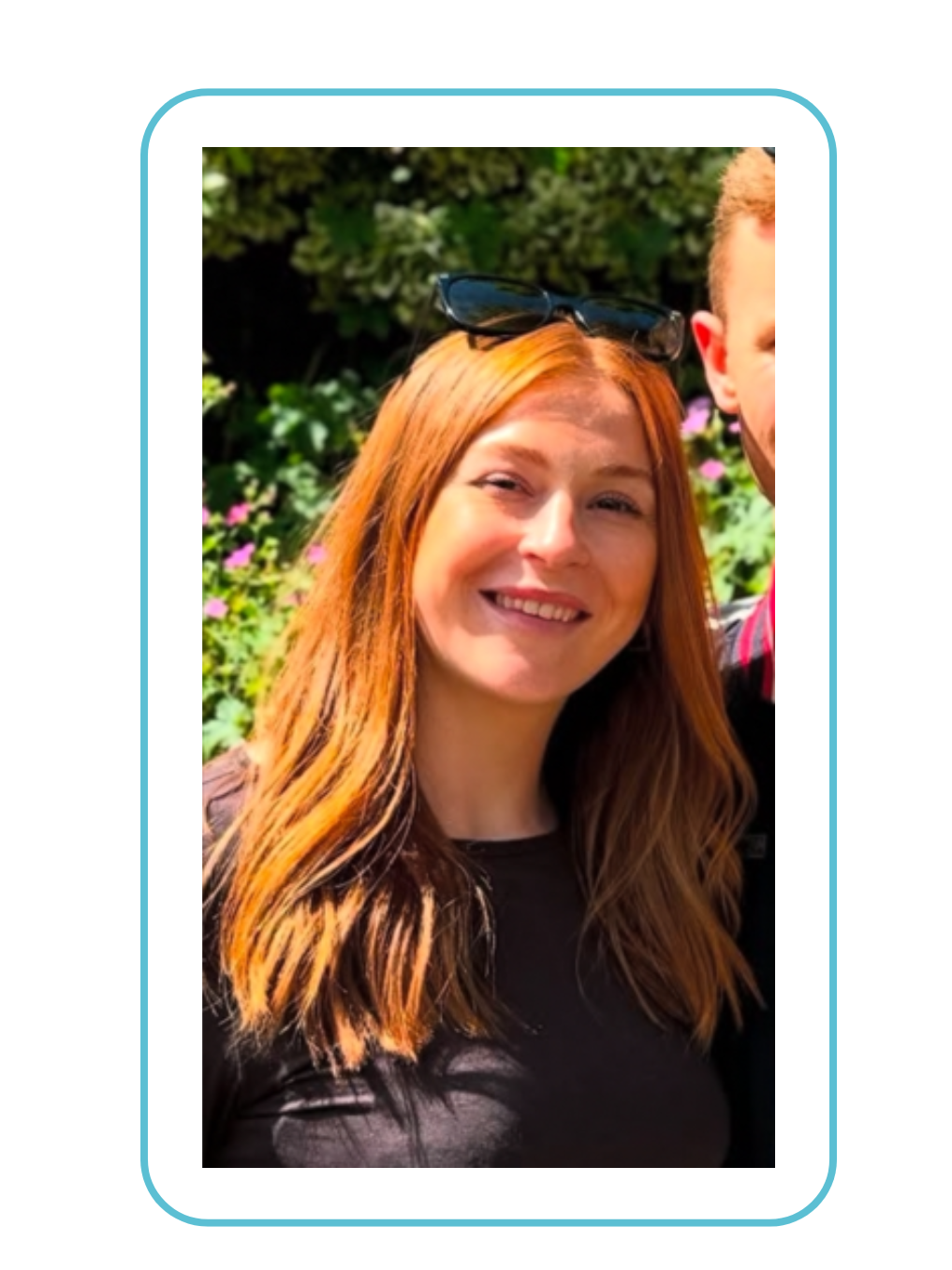
Chelsea Russell is a Community and Social Impact Manager at Latimer, the development arm of Clarion Housing Group, which delivers housing‑led regeneration and new developments across the UK. In her role, Chelsea works to embed social value, sustainability and community wellbeing into development projects, ensuring new homes and places deliver long‑term benefits for residents and local communities.
Your career began in community mental health and employability services. What initially drew you towards a role focused on social value and sustainability?
Working in community mental health and employability really shaped my values and my understanding of the structural barriers people face. I saw first‑hand how factors like exclusion from work, poor housing, lack of access to green space, and poverty all affect people’s wellbeing and long‑term outcomes. That made me think about how I could create impact at a wider, systemic level rather than just supporting individuals in isolation.
Moving into a role with a larger focus on social impact felt like a natural progression rather than a complete career change. It gave me a way to embed social and environmental responsibility into organisations and projects, while staying rooted in improving people’s lives. Sustainability also resonates with me personally, I enjoy being outdoors and value protecting nature, so it felt like an area where my personal values and professional experience came together.
When you started your apprenticeship with Clarion Futures, what areas of sustainability were new to you, and how did the apprenticeship support your transition?
The environmental side of sustainability was definitely the newest area for me. Topics like carbon, resource use and climate risk weren’t part of my day‑to‑day role, and at first it felt overwhelming.
The apprenticeship really helped by putting sustainability into a business context. Rather than treating environmental sustainability as something separate, it showed how environmental, social and economic issues are interconnected and should sit across all areas of the business. It helped me move away from seeing sustainability as a “specialist” topic and instead understand how it applies to every role and every project.
You bring strong experience in data, systems and reporting. How has this programme helped you apply these skills within a sustainability and housing context?
Before the apprenticeship, my focus was mainly on collecting and reporting data against KPIs. The learning pushed me to take a step back and ask what that data actually means, how it influences decision‑making and how it should shape what we do next.
In a housing and community context, that’s been particularly important. Sustainability and social value should be resident‑led, not just driven by what professionals think is needed. The programme helped me think more critically about how data can reflect lived experience, reduce duplication and support better conversations with colleagues, contractors and partners about where we should focus our efforts.
Can you share an example of a project or piece of work where your learning has directly informed how you design or deliver social value outcomes?
Stakeholder engagement is a good example. It’s something I’ve always done confidently, but the programme helped me understand the theory behind it and use tools like stakeholder mapping more intentionally.
Instead of seeing stakeholder mapping as a tick‑box exercise, I now use it to clarify what outcomes we’re trying to achieve, who has influence and who the right people are to speak to on both sides. That’s helped me embed sustainability more effectively into employer and contractor relationships and be clearer and more purposeful in how social value outcomes are designed and delivered.
Stakeholder engagement is a key part of your role. How has the programme strengthened your confidence and credibility when working with Tier 1 contractors and partners?
The programme has given me the language, frameworks and foundational knowledge that underpin sustainability and social value, including an understanding of relevant legislation and industry drivers. Even when those elements don’t sit directly within my role, knowing how they fit into the wider picture really matters.
That knowledge has made conversations with Tier 1 contractors much more collaborative. I’m able to challenge, influence and support more effectively because I understand the “why” behind the requirements. It’s helped build trust and move conversations away from box‑ticking towards shared goals and genuine social impact.
What aspects of the learning experience with us have been most valuable to your development as a sustainability professional?
The ability to immediately apply learning to my day‑to‑day work has been really valuable. I’m not learning in isolation; I can test ideas, reflect on practice and link real projects directly back to the knowledge, skills and behaviours in the apprenticeship.
Peer learning has also been a huge benefit. The masterclasses, development days and discussions with other learners across different sectors have really broadened my perspective. Hearing how sustainability works in industries like aviation or energy has helped me challenge my own assumptions and see sustainability beyond the lens of housing alone.
How have you balanced a demanding role with study, and how has Clarion and LDN supported you to succeed alongside your work commitments?
It’s required discipline and prioritisation. It’s easy to let learning slip when work gets busy, but the apprenticeship has to be protected if you want to succeed. Clarion has been very supportive in giving me the time and flexibility to attend sessions and development days.
LDN’s support has also been key. Having regular check‑ins with my skills coach, clear guidance and reassurance when I was overcomplicating things made a huge difference. The apprenticeship approach is very different from traditional academic study and having someone say “do less, but do it well” really helped me adjust and stay on track.
What would you say to professionals working in social impact, housing or public services who are considering sustainability but don’t come from a traditional environmental background?
I’d say sustainability isn’t just about carbon or the environment, it’s about people, place and long‑term resilience. Professionals in housing, social impact and public services already contribute to sustainability every day through community engagement, improving life chances and creating inclusive outcomes.
You don’t need a traditional environmental background. The most important things are curiosity, willingness to learn and recognising the value of the skills you already have. Sustainability needs diverse perspectives, and apprenticeships are a great way to connect the dots and formalise that impact.
Looking ahead, how do you see the programme supporting your long‑term career progression and Clarion Futures’ wider sustainability ambitions?
The programme has given me a strong foundation to progress into a more strategic sustainability and social impact role. I moved into the role of Community and Social Impact Manager in May 2026 to focus more on long‑term planning and embedding social value and sustainability across development lifecycles rather than just operational delivery.
For Clarion more widely, the programme has helped build internal capacity and awareness. It’s encouraged broader engagement with sustainability through networks like the Sustainability Champions Network and created momentum beyond one individual role. Long‑term, that shared owneship is essential if sustainability ambitions are going to translate into meaningful outcomes for residents and communities.
Huge thank you to Chelsea for telling us more about her experience of the programme. To find out more about the LDN Sustainability Professional apprenticeship, click below.