

LDN Sustainable Healthcare Academy
Project Spotlights




The LDN Sustainable Healthcare Academy empowers learners to translate sustainability knowledge into real-world impact.
Across diverse roles and departments, participants are leading initiatives that strengthen ESG performance, drive operational improvements, and embed responsible practices across their organisations.
Below, we highlight three learners whose projects demonstrate the breadth and depth of the Academy’s impact, from net-zero strategy and compliance improvements to embedding sustainability into talent development.

Anesh Patel
Imperial College Healthcare NHS Trust
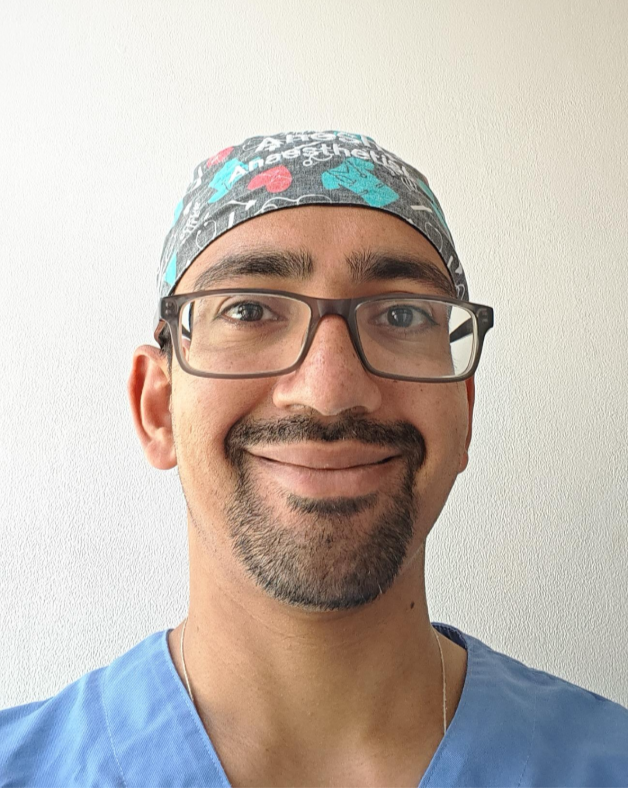
Anesh Patel, Doctor (Anaesthetist), has made a clear contribution to sustainability at Western Eye Hospital through the LDN Sustainable Healthcare Academy. His work has helped to progress the decommissioning of its nitrous oxide manifold. The project was designed to reduce unnecessary greenhouse gas emissions and support NHS net zero ambitions.
Nitrous oxide is a powerful anaesthetic gas with a global warming potential 265 times greater than CO2, and it can remain in the atmosphere for more than 100 years. Although its use in anaesthetic practice at the hospital was found to be virtually none, the existing centralised manifold system risked releasing unused gas through leaks in old pipeline infrastructure. This meant the Trust could be purchasing large volumes of nitrous oxide with little clinical benefit.
"…….”
Through his apprenticeship, Anesh helped unblock stakeholder engagement, securing approval from anaesthetic and hospital leads after the project had encountered barriers. He then presented the case to the medical gases committee, supported the move to a cylinder-based supply, and helped develop staff guidance for the new process.
The project has strengthened clinical engagement with sustainability, reduced reliance on high-impact medical gases, and created a pathway for a 6-month usage audit, with the longer-term aim of removing nitrous oxide from the site altogether.
Guy’s and St Thomas’ NHS Foundation Trust
Lucy Redmond
Lucy Redmond, Physiotherapist, has delivered measurable sustainability improvements at Royal Brompton Hospital through the LDN Sustainable Healthcare Academy. Her lighting optimisation project within the Sleep & Ventilation Department has helped reduce energy use, carbon emissions and operational costs. Working in a building dating back to 1882, Lucy identified that infrequently used areas were often lit 24/7 and that existing lighting was not LED-based.
University Hospitals of Northamptonshire
Through her apprenticeship, Lucy researched best practice, reviewed NHS Net Zero priorities and the Trust’s Green Plan and built the case for converting fluorescent lighting to LEDs where feasible, alongside installing motion sensors in low-occupancy spaces. She surveyed the department, engaged service managers and collaborated with the Estates Team to agree and deliver the works. The project also made use of LED bulbs donated from former Nightingale hospitals, supporting resource efficiency as well as emissions reduction.
“…….”
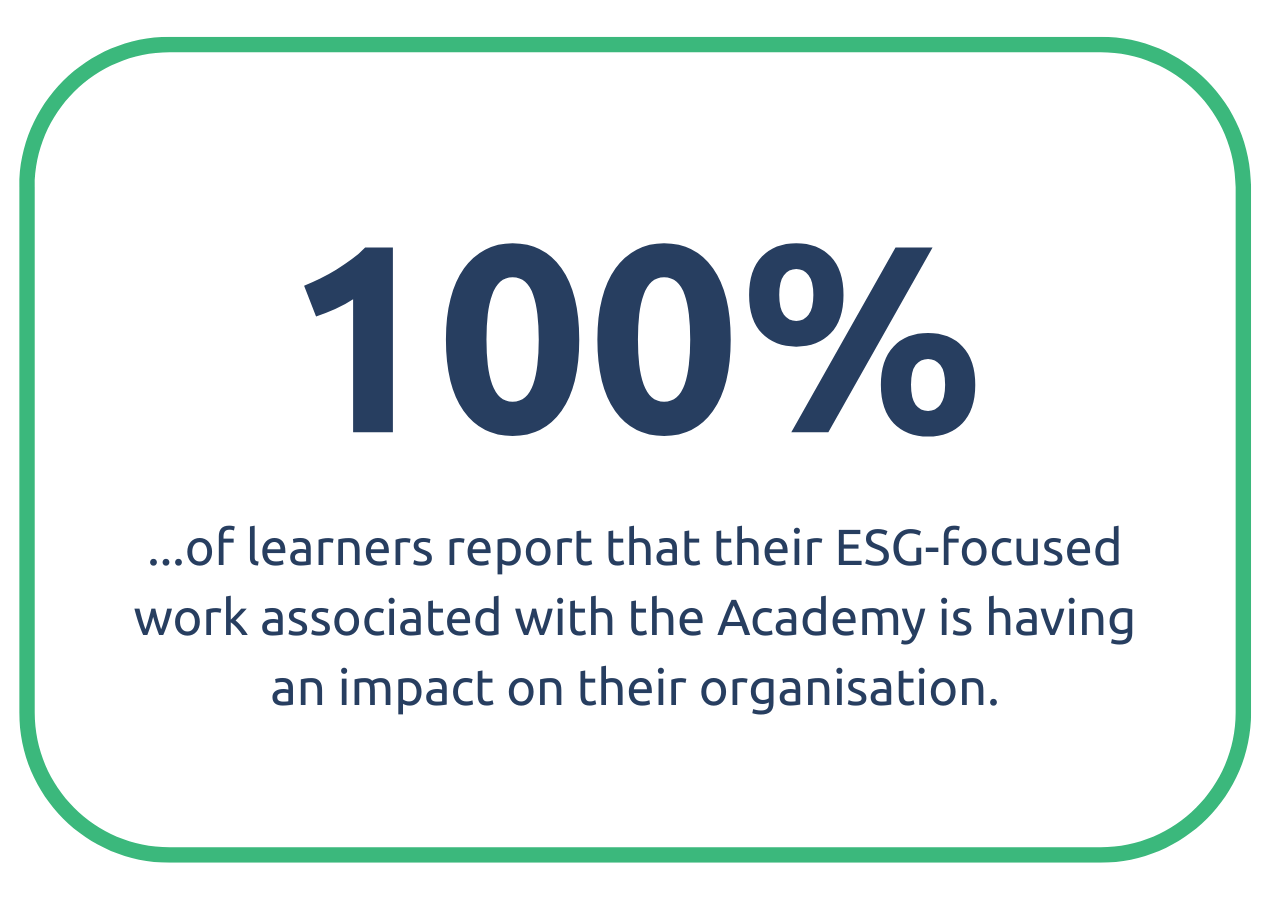
As a result, all appropriate light fixtures were upgraded and motion sensors installed. The project is forecast to reduce carbon emissions by 3,000kg per year, while delivering £4,690.98 in energy savings over five years and £1,570.70 in maintenance savings. Lucy’s work has helped embed practical sustainability within clinical operations, contributing to both the Trust’s Green Plan and wider NHS Net Zero ambitions.
Kerry O’Connor
Kerry O’Connor, Specialist Pharmacy Technician, has contributed to more sustainable and efficient pharmacy operations through her apprenticeship with the LDN Sustainable Healthcare Academy, auditing fixed-dose medicines that could be purchased as pre-made products rather than manufactured in-house. Her project focused on reducing waste, improving staff capacity, safeguarding budgets and helping patients receive treatment more quickly.

The department already stocked 7 pre-filled products, but Kerry identified opportunities to expand this approach. By reviewing commonly manufactured fixed-dose items, supplier catalogues, stability data and cost comparisons, she found 7 further products with potential to be purchased pre-made. Following further assessment, 3 products were identified as suitable options to progress through quality assurance.
“Since joining the course, I have been able to deliver measurable sustainability improvements within my department, while also educating my team on why these changes matter. Through my final EPA project, I have also achieved significant cost and space savings, while helping to reduce waste.”
The impact of this work is both operational and environmental. Some pre-made products offer significantly longer expiry periods, with one example increasing from 7 days to 56 days, reducing the risk of medicine waste when patient needs change. Kerry also identified that one new pre-filled product was £10 cheaper per syringe than buying the vial and manufacturing it internally.
By shifting suitable products to a pre-made model, the department can reduce manufacturing workload, ease pressure on an understaffed team, lower safety risks, protect budgets and shorten patient waits, which can currently be up to 4 hours while medicines are made.
Want to get involved?
For further information, please email our Partnerships Manager, Lisa Instone, via