
Learner Spotlight: Dawn Colfer
How the Digital Learning Designer Apprenticeship Transformed Training at an NHS Trust
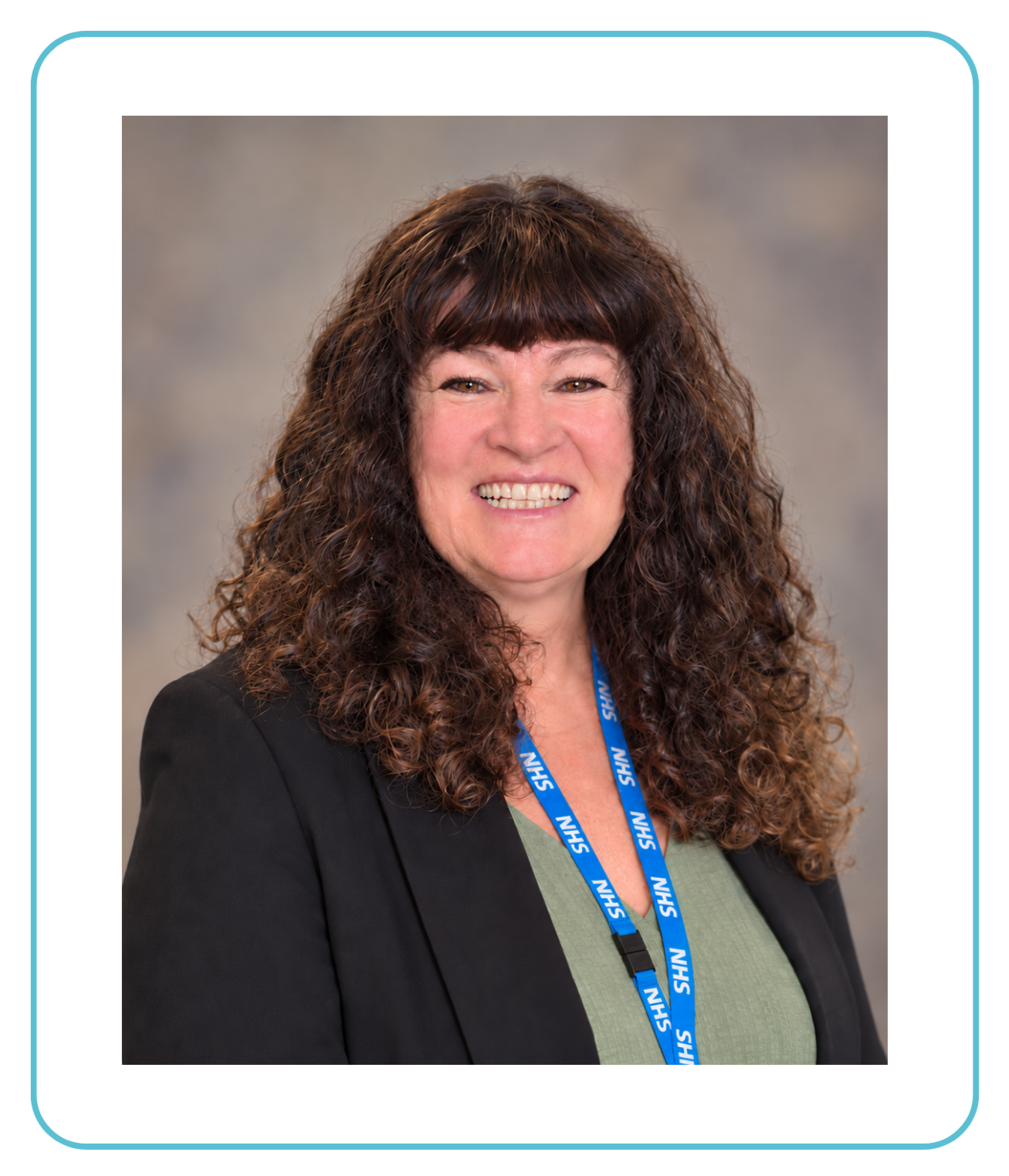
Dawn Colfer, Decontamination Training Manager at Manchester University NHS Foundation Trust, undertook the Digital Learning Designer apprenticeship to modernise training within her Trust and improve the way staff competence is evidenced and assured. In the interview below, Dawn shares how the programme enabled her to create a more efficient, auditable and responsive approach to training, supporting compliance, operational performance and workforce development.
What challenge were you trying to solve by undertaking the Digital Learning Designer apprenticeship?
I wanted to find a better way to train staff in a busy, highly regulated healthcare environment. Paper-based training often required staff to read and sign work instructions. This confirmed receipt, but not necessarily understanding, application or safe, consistent performance. I also spent considerable time chasing paperwork, signatures and records, which made it difficult to see competence across the department.
Training varied between supervisors, and responding quickly to local needs was challenging. I undertook the Digital Learning Designer apprenticeship to build expertise in learning design, technology and instructional theory. It enabled me to create engaging, evidence-based learning and understand how business needs, creativity, technology and design combine to improve competence, confidence, performance and patient safety.
How have you transformed training delivery since completing the apprenticeship?
The biggest change has been moving from a largely paper-based induction process to a blended digital competency framework that supports both new and experienced technicians. New starters now follow a structured learning journey that combines e-learning, knowledge checks, practical observation and digital competency assessments, creating a more consistent and evidence-based approach to training.
One of the biggest lessons from the apprenticeship was that digital learning should complement, not replace, workplace learning. Decontamination is a highly practical profession, so staff develop competence through a combination of learning, coaching, observation and feedback. The digital elements provide the underpinning knowledge and consistency, while practical assessment confirms that learning can be applied safely and effectively in the workplace.
Digital observations and online knowledge checks are part of our training strategy to support both new and established technicians, helping us attain, maintain and monitor competence across the department. As a result, training is more structured, engaging and easier to manage.
What impact has the apprenticeship had on departmental performance and compliance?
Although we are still measuring the full benefits, one of the biggest impacts so far has been improved visibility for managers. Digital competency observations, online knowledge checks, training records, work instruction sign-off, probationary progress, appraisals and professional development activities are now brought together into a single Training & Competency Assurance Dashboard. This provides a clearer view of competence across the department, helping identify risks, gaps and training needs more quickly. In a highly regulated environment, it supports quality assurance, regulatory compliance and informed decision-making, while creating a more consistent approach to training, reducing variation between supervisors and reinforcing knowledge through ongoing assessment and observation. This focus on competence and consistency was recognised during our recent ISO 13485 recertification audit, when the lead auditor praised the knowledge and engagement of staff at all levels and highlighted the department's training framework as a particular strength.
What value has the apprenticeship delivered for your Trust?
While it is still early to measure direct financial savings, the move to digital learning is already creating efficiencies through quicker access to training, reduced administration and a more responsive approach to learning. The most significant value has been the ability to develop and deliver learning solutions locally, enabling the department to respond quickly to operational needs without relying entirely on central resources.
The apprenticeship has allowed me to create targeted learning interventions for specific challenges, including microlearning resources to support staff during a major departmental merger and a blended Challenging Conversations programme for supervisors. Rather than waiting for external support, the department can now design and deliver learning quickly, helping staff adapt to change, build confidence and maintain consistent standards across the service.
What has been the overall impact of completing the Digital Learning Designer apprenticeship?
Completing the apprenticeship has given me the confidence, skills and credibility to rethink how training is delivered. It hasn't just helped me create digital learning; it has enabled me to solve real operational challenges, improve competence assurance and respond more quickly to the needs of the service. It has also given me opportunities to share ideas with other trusts, including speaking at an NPAG conference to promote digital learning.
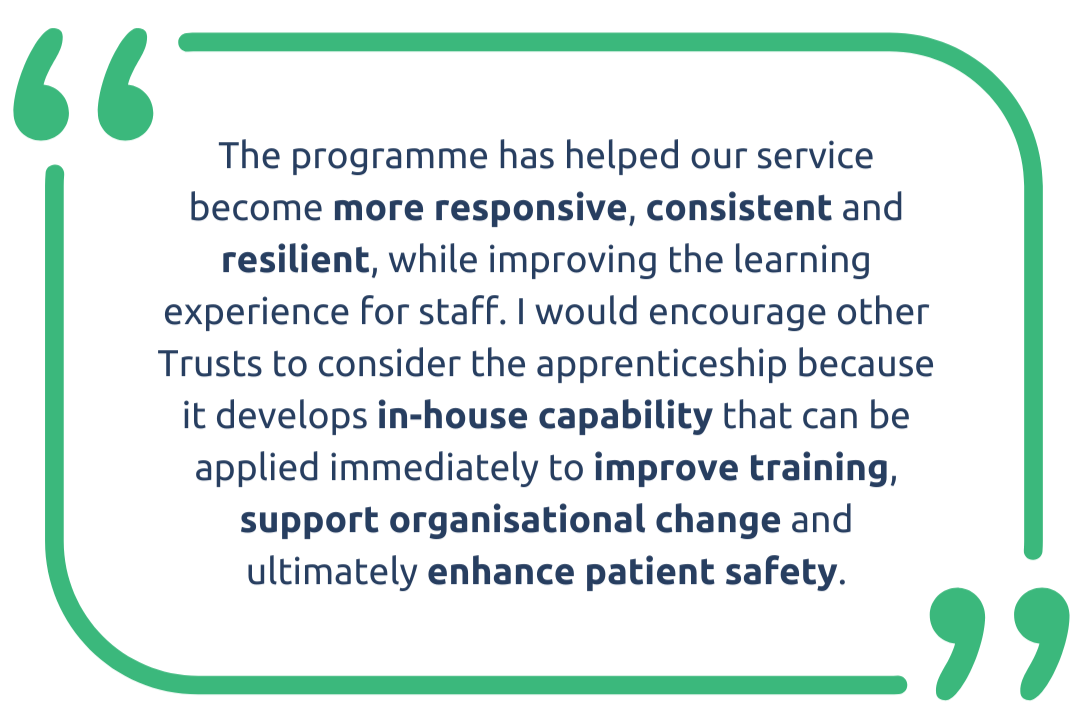
Most importantly, it has helped create a more consistent, resilient and modern approach to training that supports staff development, competence and patient safety. I would encourage anyone considering the apprenticeship to take the opportunity. It has been one of the most valuable development experiences of my career.
We'd like to thank Dawn for sharing how the Digital Learning Designer apprenticeship has helped drive meaningful change within her Trust. To learn more about the programme, click below.